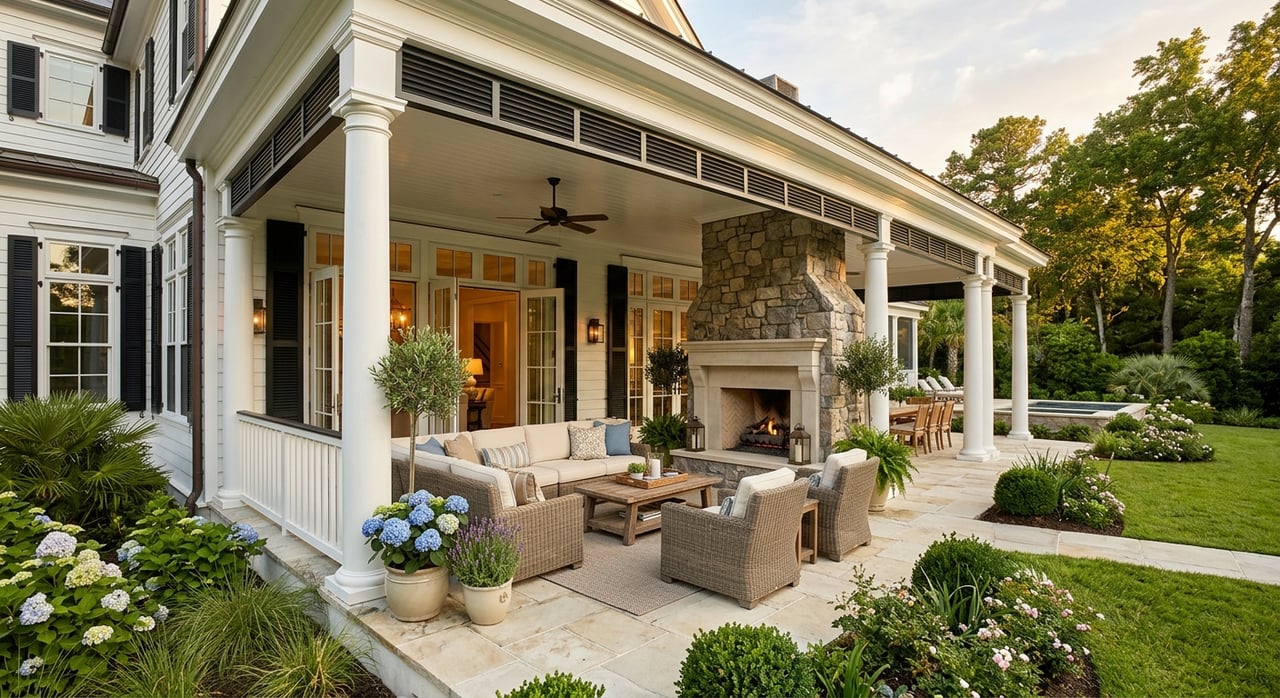
What makes a Sea Island home feel truly luxury-ready? In this market, buyers are not only noticing beautiful finishes and thoughtful design. They are also paying close attention to how a home presents in a coastal setting shaped by salt air, humidity, and outdoor living. If you are preparing to sell, a focused plan can help your property feel polished, practical, and ready for a strong first impression. Let’s dive in.
Define luxury for Sea Island
On Sea Island, luxury presentation is closely tied to the island’s identity as a private coastal destination known for its beach, golf, spa, dining, and outdoor recreation, as described by Sea Island Resort. That means buyers often expect a home to feel calm, refined, and easy to enjoy from the moment they arrive.
A luxury-ready listing here is not about filling every room with decor or taking on a rushed renovation. More often, it means creating a home that looks quietly elevated, well cared for, and aligned with a resort-style coastal lifestyle.
Start with the exterior
Your exterior sets the tone before a buyer ever steps inside. In Sea Island, that first impression should feel crisp, composed, and low-maintenance.
Focus first on the basics. Clean driveways and walkways, wash windows, repair trim, and make sure entry lighting looks tidy and works properly. These details signal care, which matters in a market where buyers may already be thinking about coastal wear and long-term upkeep.
Prioritize clean lines
Luxury curb appeal tends to look edited, not busy. Overgrown planting beds, scattered pots, faded cushions, or decorative clutter can make the exterior feel less serene.
Instead, aim for a clear and intentional look:
- Pressure wash hard surfaces if needed
- Remove dead or struggling plants
- Trim shrubs away from paths and windows
- Refresh mulch only where it improves definition
- Simplify porch and entry styling
Keep landscaping site-appropriate
Coastal Georgia conditions can be demanding. The UGA Extension guidance on coastal landscapes notes the importance of choosing plants with local sunlight, moisture, drainage, and salt exposure in mind.
That matters when you prepare a listing. Rather than attempting a last-minute landscape overhaul, it is usually smarter to refine what is already established and make it look healthy, maintained, and intentional. The same guidance also points to the role of salt tolerance, drainage, and mature plant size in long-term performance.
A similar practical point applies to lawns. UGA’s lawn bulletin notes that seashore paspalum is well adapted to coastal regions because of its salt tolerance, but it also requires expert maintenance. For sellers, that is a good reminder that a neat, well-kept yard usually does more for presentation than a rushed redesign.
Address coastal wear before photos
Sea Island buyers understand the coast. They know salt spray, moisture, and storms can affect a property over time. According to NOAA and UGA Extension-related coastal guidance cited in the research, salt exposure can corrode materials and moisture can contribute to decay.
That means listing preparation should include a careful look for small issues that hint at deferred maintenance. Peeling paint, rusted hardware, weathered wood, stained exterior surfaces, and worn screens can stand out more in a luxury listing than you might expect.
Fix the small things first
You do not need to transform the house overnight. But you should correct visible issues that make buyers question condition.
Before listing, review:
- Exterior hardware with rust or corrosion
- Trim or railings that need touch-up paint
- Doors that stick or do not close smoothly
- Window screens with tears or sagging
- Outdoor lighting with missing bulbs or worn finishes
- Areas where moisture staining is visible
These minor repairs help support a stronger visual story. They also show that the home has been actively maintained in a coastal environment.
Stage the interior for calm and clarity
Inside the home, luxury staging should help buyers picture an easy, elegant lifestyle. The National Association of Realtors staging resources define staging as cleaning, decluttering, repairing, depersonalizing, and updating a home so buyers can imagine themselves living there.
That mindset is especially useful in Sea Island. Buyers are often responding to atmosphere as much as square footage. Rooms should feel open, functional, and restful rather than heavily personalized or overly full.
Focus on the key rooms
NAR reports that staging helps buyers visualize the home as their future residence, and that the most commonly staged rooms are the living room, primary bedroom, and dining room, according to its 2025 staging report overview. If your time and budget are limited, start there.
A well-prepared living room should feel conversational and balanced. A primary bedroom should feel calm and spacious. A dining area should read as welcoming and easy to use, whether for daily meals or entertaining guests.
Make minor updates that photograph well
Big renovations are not always the best pre-listing investment, especially if they happen too late to be thoughtfully planned. In many cases, smaller updates create more impact because they improve both in-person showings and online presentation.
Useful examples include:
- Neutral wall touch-ups
- Fresh white or light-toned bedding
- Consistent cabinet or door hardware
- Clean, dust-free light fixtures
- Polished mirrors and glass
- Cleared bathroom and kitchen counters
- Hidden cords, chargers, and small electronics
These changes align closely with NAR’s staging principles and help rooms feel more refined without overcomplicating the process.
Prepare outdoor living like real rooms
On Sea Island, outdoor spaces are not secondary. They are part of the lifestyle buyers are seeking. Because the island is strongly associated with open-air leisure and resort amenities, outdoor areas should feel just as understandable and inviting as the interior.
Patios, porches, balconies, screened areas, and pool decks all benefit from simple, purposeful styling. Buyers should be able to tell at a glance how each space can be used.
Keep outdoor styling attractive and movable
Outdoor furniture and accessories should support the lifestyle story without creating clutter. A few clean seating pieces, well-placed planters, and fresh cushions can go a long way.
At the same time, practical preparation matters in a storm-prone region. The research notes that FEMA and Ready.gov guidance supports securing or bringing in loose outdoor items and trimming trees and shrubs when storms are possible. For that reason, the best styling is often simple, polished, and easy to move if needed.
A strong outdoor setup often includes:
- Clean furniture with coordinated cushions
- Swept decks and porches
- Uncluttered pool or lounge areas
- Trimmed greenery around views and walkways
- Minimal accessories that can be removed quickly
Prep with photography in mind
Luxury buyers often meet your home online before they ever schedule a showing. That makes photography a central part of your listing strategy, not an afterthought.
NAR reports that listing photos are crucial for clients. Its guidance notes that 89% of listing agents and 77% of buyers said photos are crucial. In a luxury coastal market, that matters even more because first impressions are often made on a screen.
Think like the camera
Before photography day, walk through your home as if you are seeing it in a still image. Cords, countertop appliances, mismatched towels, crowded shelves, and off-center furniture can all become more distracting in photos than in person.
Look for simple visual improvements:
- Open blinds or drapes to balance natural light
- Remove extra chairs or side tables that crowd a room
- Straighten bedding and pillows
- Clear refrigerator fronts and office surfaces
- Store pet items and personal photos
- Keep outdoor views visible where possible
NAR also notes that editing can improve exterior images and even create a twilight effect, but the home still needs to be camera-ready first. The better your preparation, the stronger the final marketing presentation will be.
Avoid common pre-listing mistakes
When sellers are getting ready for market, it is easy to spend time and money in places that do not improve the final result. In Sea Island, the goal is not to over-style the property. The goal is to help buyers see a well-kept, beautifully presented coastal home.
A few common missteps include:
- Taking on large renovations too close to listing
- Overdecorating instead of simplifying
- Ignoring minor coastal wear
- Letting outdoor spaces look unfinished
- Using too much personalized art or memorabilia
- Waiting until the last minute to think about photos
The strongest listings usually feel effortless because the prep work was thoughtful. Clean exteriors, edited interiors, and polished imagery often do more than dramatic changes made under pressure.
Build a smart luxury listing plan
Preparing a Sea Island home for market works best when you approach it in stages. Start with what buyers notice first, then move toward refinements that elevate the full presentation.
A practical sequence looks like this:
- Clean and repair visible exterior issues
- Refine landscaping and outdoor living areas
- Declutter and depersonalize key interior rooms
- Complete touch-ups that improve condition and photography
- Prepare the home specifically for professional listing photos
That kind of plan supports a more composed launch. It also helps your home show as both beautiful and believable in a coastal luxury market.
If you are considering a Sea Island sale, a tailored pre-listing strategy can make a meaningful difference in how your home is perceived online and in person. For discreet, senior-led guidance on positioning your property for the market, connect with Pitts Wilson for a personalized consultation.
FAQs
What does luxury-ready mean for a Sea Island home listing?
- A luxury-ready Sea Island home usually feels refined, calm, and well maintained, with strong exterior presentation, edited interiors, and outdoor spaces that support a coastal resort lifestyle.
How should you prepare landscaping for a Sea Island luxury listing?
- Focus on cleanup, trimming, and making existing landscaping look intentional and healthy, rather than attempting a rushed redesign that may not suit coastal conditions.
Which rooms matter most when staging a Sea Island home for sale?
- The living room, primary bedroom, and dining room are especially important because staging these spaces can help buyers better picture the home as their future residence.
Why do listing photos matter so much for Sea Island luxury homes?
- Photos often create the first impression online, and NAR reports that both listing agents and buyers view them as crucial to the home search and marketing process.
What exterior issues should sellers fix before listing a Sea Island property?
- Sellers should address visible issues like peeling paint, rusted hardware, worn trim, stained surfaces, damaged screens, and untidy lighting so the home appears well cared for in a coastal environment.
