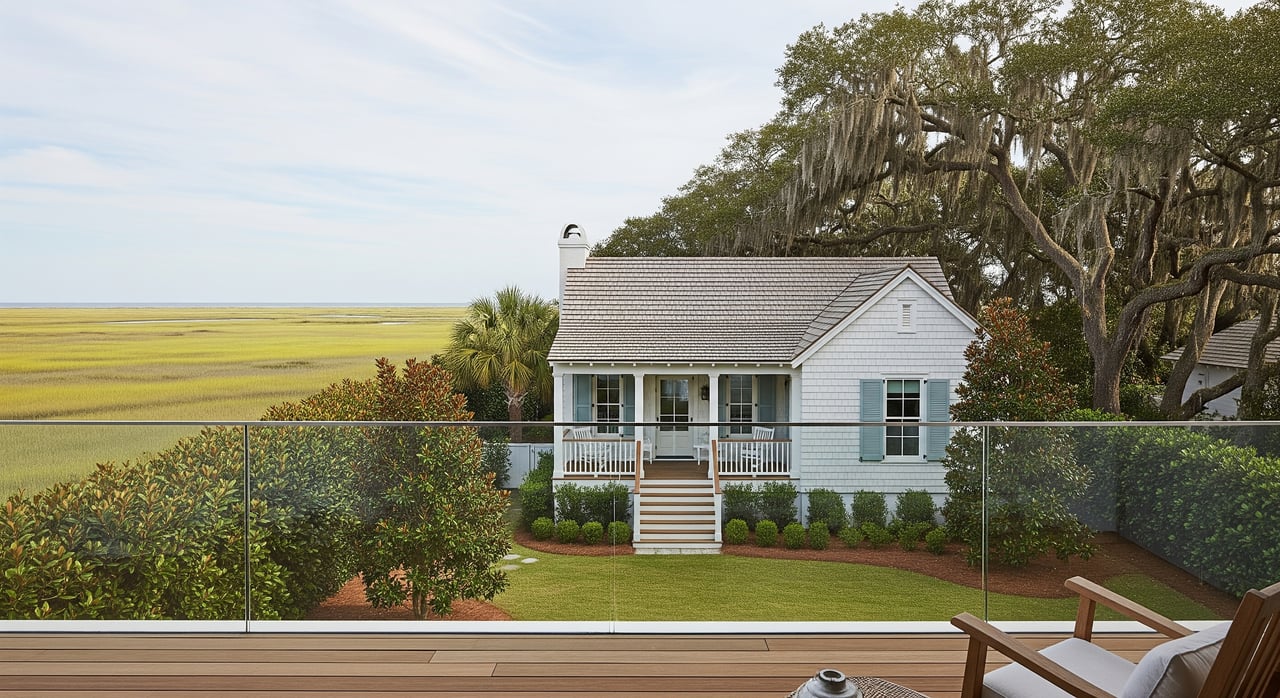
Thinking about Sea Island and torn between a low-maintenance condo and a private cottage? You are not alone. Both options offer access to a world-class coastal lifestyle, but they differ in how you own, maintain, insure, and enjoy them. In the next few minutes, you will see the clear trade-offs, learn what to verify, and get a simple path to the right fit for your goals. Let’s dive in.
Ownership and legal basics
Condo ownership gives you a deed to your unit plus an undivided interest in shared elements such as roofs, lobbies, exterior walls, landscaping, and mechanical systems. A condominium association, guided by recorded documents and Georgia condominium law, governs operations, budgets, and rules. Monthly or quarterly fees fund common-area upkeep, reserves, insurance for the building’s shared areas, and often security and amenities.
Cottage ownership is fee simple. You own the home and the lot, along with full responsibility for the roof, exterior, systems, and grounds. Many cottages are within covenanted neighborhoods and must follow design standards and review processes for exterior changes. You choose your service providers and control more aspects of your property.
If you want a true lock-and-leave setup, a condo’s association model often delivers that experience. If you prefer privacy and control, a cottage gives you more freedom within local covenants and review standards.
Maintenance and ongoing costs
Condo associations typically handle exterior maintenance, roofing, common landscaping, pool or clubhouse operations, and insurance for shared structures. Your focus is the interior and your personal property. Fees vary by building and services, so reviewing the association budget and reserve study is essential.
Cottages place exterior upkeep on you. That includes roofing, siding, decks, irrigation, driveways, and any private pool or outdoor features. Many owners hire property management for house checks, seasonal prep, landscaping, and housekeeping, especially for part-time use.
Key cost drivers to compare:
- HOA or condo fees and what they cover, including insurance scope and staffing.
- Exterior and grounds upkeep for cottages, from landscaping to seasonal storm prep.
- Property management services for part-time owners in both options.
- Utilities, especially if a home has larger outdoor living spaces or a pool.
Insurance and flood risk
Sea Island sits on the Georgia coast, so flood and storm exposure are real considerations for both condos and cottages. Start by checking the property’s flood zone on the FEMA Flood Map Service Center, then confirm elevation certificates and recent surveys during due diligence.
For condos, the association carries a master policy on the building’s common elements. You will typically carry an HO-6 policy for interior finishes, personal property, and loss assessment coverage for association deductibles or gaps. Clarify whether the master policy is all-in or limited so you know your responsibilities.
For cottages, you will carry a homeowner policy that covers the dwelling and structures. Many coastal homes also require separate flood insurance through the National Flood Insurance Program or a private market policy. Expect wind or hurricane deductibles to be separate and percentage based in many coastal policies.
When budgeting, get quotes early. Premiums and deductibles vary with elevation, construction, mitigation features, and proximity to water.
HOAs, rules, and amenities
Condo associations operate under recorded declarations and bylaws that govern budgets, rentals, pets, renovations, and owner conduct. Owners elect boards that set policies and enforce rules. If you prefer clear structure and predictable services, this can be a benefit.
Cottage neighborhoods may have covenants and an architectural review process that applies to exterior changes and landscaping. On Sea Island, there are master-level design and landscape standards that protect neighborhood character and require approvals for renovations.
Sea Island is a private resort community with integrated amenities. Property ownership and club access are related but not identical. Membership details, transferability, and guest privileges can vary by property, so verify specifics through the Sea Island official site and the listing’s documentation.
If you want a refresher on how associations operate, the Community Associations Institute provides helpful general resources on HOAs and condominiums.
Lifestyle and daily use
If you plan to travel often and want minimal upkeep, a condo’s shared maintenance, security, and on-site services create a smoother lock-and-leave experience. Elevators and single-level living can also help if you want easy access.
If you value privacy, outdoor living, and room to personalize your space, a cottage fits well. You can design gathering areas, add outdoor features within guidelines, and host guests more comfortably. The trade-off is more hands-on ownership or the need to coordinate service providers.
Think about how you will use the home during peak season, off-season, and around holidays. Ease of arrival, storage for gear, guest accommodations, and parking can be just as important as square footage.
Resale and rental factors
Sea Island is a limited-inventory, high-end resort market. Turnkey condition, recent upgrades, and proximity to amenities tend to carry premiums. Condos with robust services appeal to buyers who want simplicity. Cottages often attract buyers seeking privacy and outdoor space.
If rental income matters, confirm rules upfront. Some buildings or neighborhoods limit short-term rentals, set minimum stays, or require approvals. Also account for management fees and higher wear if the home is rented. With either property type, many owners prioritize personal use over income.
Liquidity varies by buyer pool. Condos often draw lock-and-leave buyers and frequent travelers. Cottages tend to attract buyers planning longer stays and those who want control over their property.
Which option fits you
Use these real-world scenarios to pressure test your choice:
Seasonal traveler, wants minimal upkeep and security
- Likely fit: Condo in a well-managed building.
- What to verify: HOA coverage and reserves, master policy scope, guest and rental policies.
Privacy seeker who values outdoor living and space for guests or pets
- Likely fit: Cottage with a yard or private outdoor areas.
- What to verify: Covenants and architectural review guidelines, club access details, realistic maintenance budget.
Primary residence with occasional rental
- Likely fit: Either, depending on rental rules and cost goals.
- What to verify: Rental limitations, management options, holding cost versus expected occupancy.
Turnkey host for extended family getaways
- Likely fit: Move-in-ready condo with concierge-type services or a managed cottage with strong vendor support.
- What to verify: On-island property management availability, guest access policies, and any short-term rental constraints.
Due diligence checklist
Use this checklist to compare a few favorite properties side by side:
Association documents
- Condo or HOA declaration, bylaws, and rules
- Current budget and reserve study
- Meeting minutes, outstanding or recent special assessments, and any pending litigation
Insurance and risk
- Association master policy summary and deductibles
- Required owner policy type and estimated premiums
- Flood insurance quotes and wind coverage details
- FEMA flood zone, elevation certificate, recent survey, and any known storm history. Check the FEMA Flood Map Service Center for official maps.
Sea Island Club and amenities
- Is membership required, included, or transferable
- Guest privileges and policy specifics. Review the Sea Island official site for membership context.
Rentals and occupancy
- Minimum stays, short-term rental permissions, approval processes, and any owner occupancy requirements
Property condition and capital projects
- For condos: recent roof, elevator, or major system work and scheduled capital projects
- For cottages: age and condition of roof, HVAC, windows, exterior cladding, deck structures, and pool equipment
Local approvals
- Expected timeline and process for permits and architectural review for any planned renovations
Property management and services
- Availability and cost for housekeeping, landscaping, house checks, and emergency response
Lender considerations
- If financing, confirm condo project approval requirements and flood insurance lending rules early. Public records and covenants are available through the Glynn County website.
How JPW curates your fit
Our process is designed to align your lifestyle goals with the right Sea Island property, step by step:
Discovery
- We map your priorities: low-maintenance versus hands-on, seasonal use versus full-time, privacy needs, entertaining and guest flow, accessibility, and proximity to water or club amenities.
Smart screening
- We filter inventory by ownership type, club membership inclusion or transferability, rental rules, pet policies, flood zone and elevation, insurance implications, and turnkey condition.
Clear cost picture
- We prepare a total cost view for each short list property, including HOA fees, estimated utilities, maintenance, insurance, and property management if needed.
On-site vetting
- We coordinate insurance pre-qualification, contractor walk-throughs for major systems, and obtain elevation certificates and surveys. For condos, we request minutes, budgets, reserve studies, and master policy summaries.
Options with trade-offs
- You receive two or three curated choices with a plain-English summary of what you gain and what you give up, so the decision feels obvious.
After closing support
- We connect you with trusted local vendors for management, landscaping, housekeeping, and Sea Island Club contacts to finalize membership logistics.
Ready to explore Sea Island condos and cottages through a curated lens that respects your time and goals? Reach out to Pitts Wilson to schedule a free consultation.
FAQs
What is the main difference between a Sea Island condo and a cottage
- A condo includes ownership of your unit plus shared elements managed by an association, while a cottage is fee-simple ownership of the home and lot with full control and responsibility.
How do HOA or condo fees work in Sea Island communities
- Fees fund common-area maintenance, reserves, shared insurance, and often security or amenities; review budgets and reserve studies to see coverage and financial health.
What insurance do I need for a Sea Island condo or cottage
- Condo owners typically carry an HO-6 policy to complement the association’s master policy, while cottage owners carry a homeowner policy plus separate flood coverage when required.
How do I check flood risk for a specific Sea Island property
- Look up the address on the FEMA Flood Map Service Center, then verify with an elevation certificate, recent survey, and insurance quotes.
Are short-term rentals allowed for Sea Island condos or cottages
- Rental rules vary by building and neighborhood; always review governing documents for minimum stays, approvals, and any restrictions on short-term use.
Does Sea Island property ownership include club membership automatically
- Membership terms differ by property; consult listing documents and confirm details through the Sea Island official site to understand inclusion or transferability.
