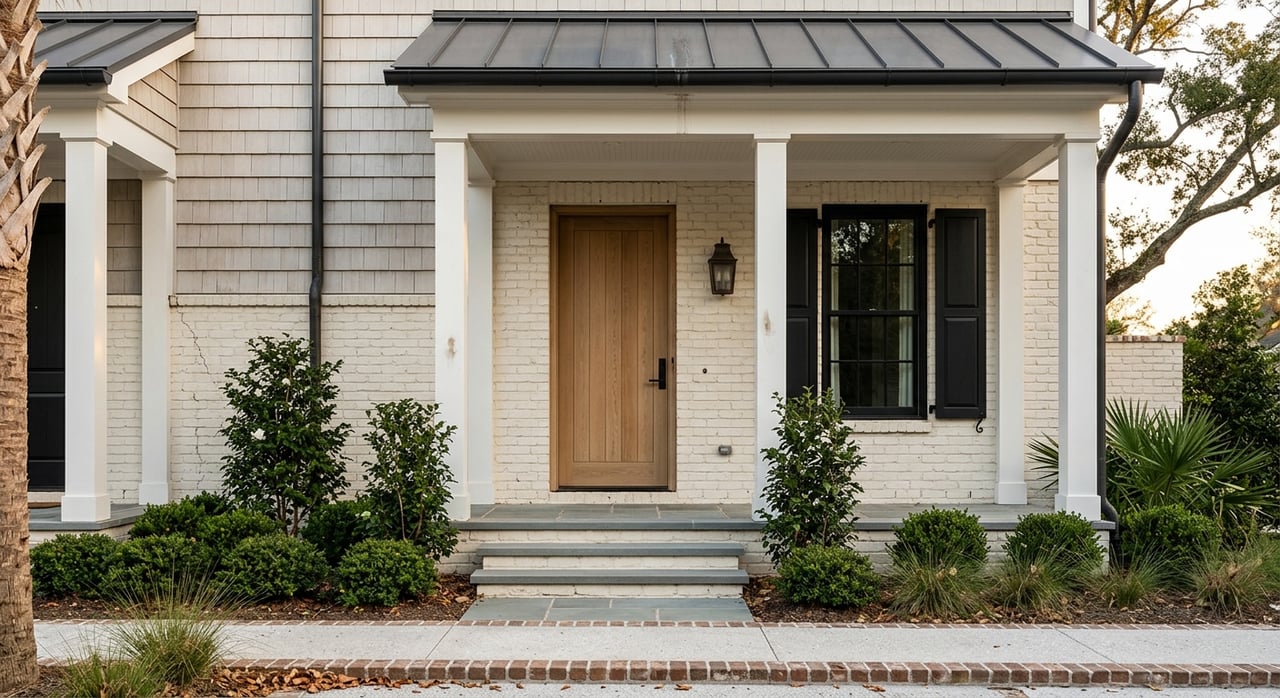
Choosing a place on St. Simons Island is not just about square footage or style. It is also about how you want to live, how much upkeep you want to handle, and what costs or rules come with the property. If you are weighing a condo, townhome, or cottage in the 31522 area, understanding those differences can help you buy with more confidence. Let’s dive in.
Why ownership type matters
On St. Simons Island, your ownership choice shapes your day-to-day experience more than many buyers expect. This barrier island offers public beaches, bike-friendly areas, and a walkable Pier Village with beach access, restaurants, shopping, and green space, according to Golden Isles visitor resources and this Pier Village guide.
That setting makes low-maintenance and seasonal-use properties especially appealing. At the same time, Glynn County’s coastal conditions mean flood planning, insurance review, and property-use rules can affect condos, townhomes, and cottages in different ways.
Condos: lowest-maintenance option
A condo usually offers the simplest ownership model if you want an easy lock-and-leave property. Fannie Mae explains that condo owners own an individual unit while sharing ownership of common areas and facilities with other owners.
In practice, that often means mandatory monthly fees that may cover exterior repairs, common-area maintenance, and sometimes utilities or shared amenities. Because so much is handled at the community level, condos are often the most convenient option for second-home buyers or anyone who wants less hands-on maintenance.
What to expect with condo living
The tradeoff is shared governance. You are not just buying a unit. You are also buying into the association’s rules, budget, reserves, insurance structure, and decision-making process.
Georgia law adds another layer of structure. The state requires condominium associations to carry casualty insurance for condominium buildings and structures, and Georgia also requires certain insurance disclosures related to water-damage claims, as outlined in the Georgia condominium law reference provided in the research.
When a condo fits best
A condo may be the right fit if you want:
- A second home with minimal upkeep
- A property that is easy to leave for part of the year
- Proximity to activity areas like Pier Village
- Fewer exterior maintenance responsibilities
For many buyers, that convenience is the biggest advantage. The main tradeoffs are less privacy and less control over building-level decisions.
Townhomes: the middle ground
Townhomes often appeal to buyers who want something between a condo and a detached home. Fannie Mae notes that townhomes may be part of condominium projects or planned developments, and they may share walls or sometimes be detached depending on the community design.
That flexibility gives townhomes a broader range of living experiences. Some feel closer to a house, while others function more like a low-maintenance community property with HOA oversight.
Why many buyers like townhomes
A townhome often gives you more private-feeling living space than a condo while still reducing some of the work that comes with a detached property. Many townhome communities have HOA rules, fees, and common-area maintenance, which can simplify ownership without making it fully hands-off.
Georgia law also supports association enforcement of lawful covenants in planned communities, which is important if you are comparing flexibility from one development to another. That means the details in the governing documents matter as much as the floor plan.
When a townhome fits best
A townhome may make sense if you want:
- More living space than a typical condo
- A more house-like layout
- Some reduction in exterior or yard work
- A manageable setup for weekend or seasonal use
For many St. Simons buyers, a townhome works well when they want comfort and convenience without taking on the full responsibility of a detached cottage.
Cottages: most privacy and control
A detached cottage is usually the closest of these three options to a traditional single-family home. Compared with a condo, you are generally not jointly owning exterior property and common elements with the rest of a building or community.
That often means more privacy, more room to customize, and a stronger single-family feel. It also usually means more direct responsibility for maintenance, landscaping, and exterior care.
Coastal ownership means more responsibility
On St. Simons Island, detached ownership also brings more direct exposure to coastal planning issues. Glynn County says standard homeowner insurance does not cover flood loss, flood insurance pricing depends on flood zone, and there is a 30-day waiting period before a flood policy becomes effective. The county also notes that unincorporated Glynn County is a CRS Class 5 community, which means a 25% flood insurance premium discount, according to the county’s flood protection program information.
That does not mean cottages are the wrong choice. It simply means you should look closely at flood insurance, site conditions, and any permit requirements before making changes to the property.
When a cottage fits best
A detached cottage may be the best fit if you want:
- More privacy
- More freedom to personalize the property
- A yard or more outdoor space
- A traditional single-family ownership feel
The tradeoff is simple. You usually gain autonomy, but you also take on more ongoing responsibility.
Compare the three options
If you want a quick way to frame the decision, this is a useful starting point:
| Property type | Best known for | Main tradeoff |
|---|---|---|
| Condo | Lowest maintenance | Less privacy and less direct control |
| Townhome | Balance of space and convenience | Rules and responsibilities vary by community |
| Detached cottage | Most privacy and autonomy | Most hands-on upkeep |
That basic comparison becomes even more important on St. Simons because of flood considerations, association structures, and the mix of full-time, seasonal, and rental ownership patterns.
Costs to review before you buy
The purchase price is only part of the equation. On St. Simons Island, recurring ownership costs can vary a lot based on the property type and your intended use.
HOA and condo fees
The Consumer Financial Protection Bureau says HOA or condo dues are usually paid separately from the mortgage and may range from a few hundred dollars per month to more than $1,000. Fannie Mae recommends asking what those fees cover, along with questions about reserve funds, special assessments, parking, and allowed modifications.
This matters because two properties with similar list prices can have very different monthly carrying costs. A condo may look easy to own, but the details of the fee structure and reserve planning still matter.
Flood insurance and coastal risk
Flood insurance is a separate issue from standard homeowner coverage. In Glynn County, the flood zone affects pricing, and the 30-day waiting period means it is best to evaluate insurance needs early rather than late.
This is especially important for detached cottages and ground-level units, but every buyer should review the property’s flood picture before comparing options.
Taxes and intended use
Your plans for the property also affect cost. Glynn County says homestead exemption eligibility applies only when the property is owner-occupied as a legal residence on January 1.
That means a primary residence and a second home may have different tax outcomes even if they are similar properties in the same area. Buyers should confirm the current tax structure before making side-by-side comparisons.
Rental use can change the equation
Many buyers on St. Simons consider occasional rental income, especially for a second home. If that is part of your plan, you need to look beyond the property type itself.
Glynn County requires a short-term rental certificate for rentals under 30 consecutive days in unincorporated areas, and the county applies a 7% accommodation excise tax to those rentals. County approval is only part of the picture, though. Association rules and deed restrictions may also limit or control rental activity.
Questions to ask about rental plans
Before you buy, make sure you confirm:
- Whether short-term rentals are allowed by the community or association
- Whether the property is in unincorporated Glynn County
- What local certificate and tax requirements apply
- Whether your intended use is full-time living, seasonal use, or rental use
This is one of the biggest reasons a condo, townhome, and cottage should not be compared on appearance alone. The same island lifestyle can come with very different compliance steps.
How to choose the right fit
If you are still deciding, start with your lifestyle before you focus on finishes or square footage. The right ownership type usually becomes clearer when you answer a few practical questions.
Ask yourself these four questions
- Do you want the easiest possible lock-and-leave setup?
- Do you want more room but still prefer shared maintenance?
- Do you want privacy and flexibility enough to take on more upkeep?
- Will this be your primary home, second home, or a property you may rent?
If your top priority is convenience, a condo may stand out. If you want a balance of space and manageable responsibility, a townhome may fit best. If privacy and control matter most, a cottage may be worth the extra hands-on work.
A smart St. Simons buying strategy
On St. Simons Island, the best choice is rarely about which property type is objectively better. It is about which ownership model fits your goals, your timeline, and your comfort with maintenance, rules, and coastal planning.
When you compare condos, townhomes, and cottages through that lens, the decision gets much clearer. If you want experienced guidance as you weigh ownership style, fees, flood considerations, and intended use, Pitts Wilson offers senior-led, relationship-first support tailored to the Golden Isles market.
FAQs
What is the main difference between a St. Simons Island condo and cottage?
- A condo usually offers lower maintenance through shared ownership and association management, while a detached cottage usually offers more privacy and control but more direct upkeep responsibility.
Do St. Simons Island condos and townhomes have monthly fees?
- Usually, yes. HOA or condo dues are commonly paid separately from the mortgage, and buyers should confirm exactly what those fees cover, along with reserves and any potential special assessments.
Do St. Simons Island buyers need separate flood insurance?
- Glynn County says standard homeowner insurance does not cover flood loss, so buyers should review flood insurance needs separately and remember that pricing depends on flood zone with a 30-day waiting period before coverage becomes effective.
Can you use a St. Simons Island condo, townhome, or cottage as a short-term rental?
- Possibly, but Glynn County requires a short-term rental certificate for rentals under 30 consecutive days in unincorporated areas, and association rules or deed restrictions may also apply.
Does homestead exemption apply to all St. Simons Island properties?
- No. Glynn County says homestead exemption applies only when the property is owner-occupied as a legal residence on January 1.
