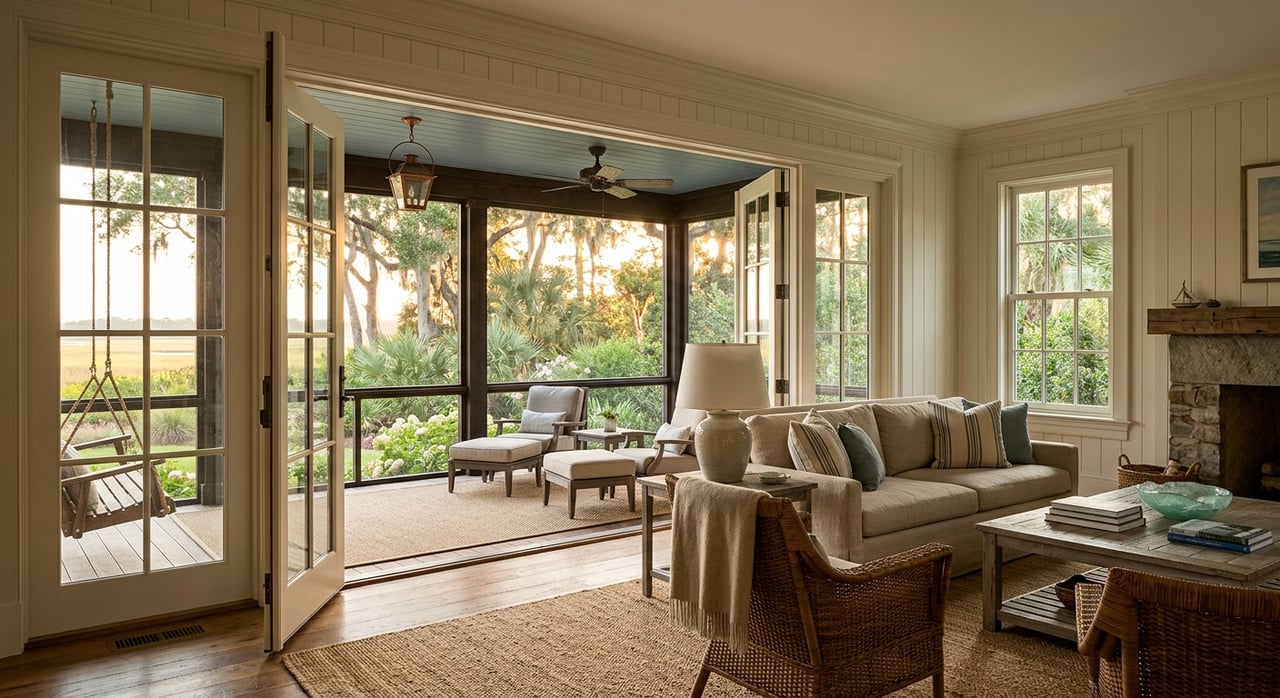
Wondering whether buying on Sea Island works like buying in any other coastal community? It usually does not. If you are shopping from out of market, you need more than beautiful photos and a quick weekend tour. You need a clear picture of how ownership, access, travel, insurance, taxes, and property care fit together. That is what this guide will help you understand before you narrow your search. Let’s dive in.
Sea Island works differently
Sea Island is best understood as a private resort market, not a typical beach subdivision. That distinction matters because the ownership experience can vary based on the community, the property type, and the access structure tied to the home.
Resort policies state that access to Sea Island resort facilities is limited to resort guests and Sea Island Club members. In other words, owning a home on Sea Island and having access to every resort amenity are related questions, but they are not the same question.
That is why out-of-market buyers should start by asking exactly where a home sits and what comes with it. A home in one community may support a very different lifestyle than a residence in another.
Know the main ownership formats
Sea Island includes several distinct ownership formats. Available community descriptions identify nearly 600 single-family homes in the Cottage Colony and Home Sites, 44 townhomes in River Club, Ocean Club Residences, and fully furnished Beach Club Suites.
Those categories are important because they often attract different use patterns. Some buyers want full-time living, some want a seasonal second home, and some want a more lock-and-leave setup with fewer moving parts.
Club access may be separate
Several Sea Island community descriptions use the phrase "Sea Island Club application rights." For you as a buyer, that is a signal to verify whether club-related access involves a separate application, approval, or additional terms rather than assuming it is automatic with ownership.
This is one of the biggest reasons long-distance buyers benefit from a careful property-by-property review. Two homes on the same island can offer very different day-to-day experiences.
Travel planning matters more here
When you live nearby, travel friction is easier to manage. When you are buying from Atlanta or another out-of-state market, travel timing and access become part of the ownership decision.
Sea Island’s official directions place the island about 1 hour from Jacksonville International Airport, 1 hour and 15 minutes from Savannah/Hilton Head International Airport, 20 minutes from Brunswick Golden Isles Airport, and about 10 minutes from McKinnon St. Simons Island Airport. The resort also offers airport transfers and an on-demand shuttle between key resort destinations.
For many buyers, those details shape how often they will actually use the home. A property that feels ideal in theory should also fit your real travel rhythm.
Plan visits in milder seasons
Georgia’s coast typically has short winters and long spring and fall seasons. Reported winter temperatures generally range from the high 40s to 60s, while the warmest months reach the high 80s to high 90s.
That climate pattern makes spring and fall especially practical for first visits, inspections, and owner handoffs. You are more likely to have milder weather and a smoother experience walking properties, reviewing exterior conditions, and coordinating vendors.
NOAA states that Atlantic hurricane season runs from June 1 through November 30. That does not mean summer or fall purchases should be avoided, but it does mean seasonal planning should be part of your due diligence and closing timeline.
Seasonal use is not always uniform
Sea Island’s own cottage housekeeping schedule changes by season, with daily service from January through May and September through December, and Monday through Friday service from June through August. Even that operational detail hints at a market where owner and guest use patterns can shift throughout the year.
If you are buying for part-time use, ask yourself when you expect to be there most often. Then make sure the property type and support setup match that schedule.
Rental plans need careful verification
Many out-of-market buyers ask the same question early: can this home offset costs when I am away? On Sea Island, the answer may be yes in some cases, but you should treat rental potential as structured and community-specific.
Sea Island’s official cottage rental program is highly organized. The cottages are furnished, include concierge support, and provide guests with resort amenity access. The resort also sets operational rules such as check-in and check-out times, a 60-day cancellation window for cottages, and occupancy-related function limits.
The resort generally prohibits pets unless a property is specifically identified as pet-friendly. That kind of rule can affect guest demand, owner expectations, and how you think about personal use versus rental use.
Personal retreat first, rental second
Some community descriptions note that certain residences may serve as summer vacation homes and may produce additional rental income when the owner is away. That points to a common second-home model on Sea Island: buy for personal enjoyment first, then evaluate rental use as a secondary benefit.
That approach tends to be more realistic than buying solely on assumed short-term rental income. Before you count on a rental strategy, verify the exact parcel rules, any HOA requirements, and the access or membership structure tied to the property.
Due diligence goes beyond the home itself
On a barrier island, the due-diligence stack should be broader than a standard home search. The house matters, of course, but so do the flood profile, insurance timing, tax treatment, and long-term moisture management.
For an out-of-market buyer, this is where local guidance becomes especially valuable. Small details can affect both your carrying costs and your day-to-day ownership experience.
Check flood exposure early
Glynn County states that standard homeowners insurance does not cover flood damage. The county also notes that flood insurance is available through the National Flood Insurance Program and that a new flood policy has a 30-day waiting period before becoming effective.
That waiting period is worth understanding before closing. If flood insurance is part of your plan, early coordination can help you avoid last-minute stress.
Glynn County also states that floodplain development may require permits and elevation certificates. In some cases, substantial improvements in the floodplain can trigger new-construction standards.
Use parcel-level verification
Glynn County GIS provides parcel records along with flood zones, storm surge information, and elevations. On Sea Island, parcel-level review is especially important because barrier-island conditions can vary meaningfully from one property to the next.
If you are comparing homes, do not assume two nearby properties carry the same flood or site considerations. Verifying the specific parcel can give you a much clearer picture of future risk and planning needs.
Understand likely tax treatment
Georgia states that property tax returns are filed between January 1 and April 1. Glynn County says a homestead exemption is available only when the property is owned and occupied as a primary residence as of January 1, and neither spouse may hold a homestead exemption on another property.
For many out-of-market buyers, that means a Sea Island home will likely be treated as a non-homestead property unless it truly becomes your principal residence. That can affect annual ownership costs, so it is smart to ask about this early.
Coastal maintenance needs a real plan
Long-distance ownership works best when maintenance is proactive, not reactive. In a coastal setting, moisture control should be one of your top priorities.
The EPA and UGA Extension both emphasize moisture control for mold prevention, and UGA recommends keeping indoor relative humidity below 50 to 60 percent. For a remote owner, that is not just a housekeeping detail. It is part of protecting the home.
Build a local support team
If you are not on Sea Island full time, a local care team can make ownership much easier. Depending on the property, that team may include:
- A coastal home inspector
- An insurance agent
- A closing attorney
- A surveyor if needed
- A property manager or caretaker
- An HVAC service provider
- Regular moisture-mitigation support
This kind of setup is especially helpful if you plan to leave the home vacant for stretches of time. It can also make inspections, service calls, and seasonal preparation much more efficient.
Questions to answer before you buy
Before you fall in love with a view or floor plan, pause and answer a few practical questions. On Sea Island, those answers often matter just as much as the finishes inside the home.
Here is a simple checklist to keep in mind:
- What exact community is the home in?
- Is the property designed for full-time living, seasonal use, or lower-maintenance second-home ownership?
- What access comes with ownership, and what requires separate application or approval?
- How will you travel to and from the island most often?
- Does the parcel have any flood, storm surge, or elevation considerations?
- Will you use the home primarily for personal enjoyment, occasional rental use, or both?
- What local team will help you maintain the home when you are away?
The most prepared buyers usually approach Sea Island with a long-distance owner mindset. They understand the community, the logistics, the access structure, and the carrying costs before they focus on lifestyle extras.
If you are considering Sea Island from outside the market, a senior-led, local, detail-oriented approach can save time and help you make a more confident decision. To talk through communities, ownership formats, and what to verify before you buy, schedule a consultation with Pitts Wilson.
FAQs
What should out-of-market buyers verify about Sea Island access?
- Verify what access comes with the specific property and whether any club-related benefits involve separate application rights, approvals, or additional terms.
What makes Sea Island different from a typical beach market?
- Sea Island functions more like a private resort ecosystem, so buyers should evaluate the exact community, ownership format, access structure, and intended use of the home.
What should out-of-market buyers know about Sea Island rental use?
- Rental potential may exist, but it is structured and property-specific, so you should confirm parcel covenants, HOA rules, and any access or membership terms before assuming a rental strategy will work.
What should buyers check about flood insurance on Sea Island?
- Glynn County states that homeowners insurance does not cover flood damage, flood insurance has a 30-day waiting period to become effective, and parcel-level flood review is important.
How should remote owners plan for Sea Island home maintenance?
- Remote owners should build a local support team and pay close attention to moisture control, HVAC service, and regular property oversight to help protect the home year-round.
