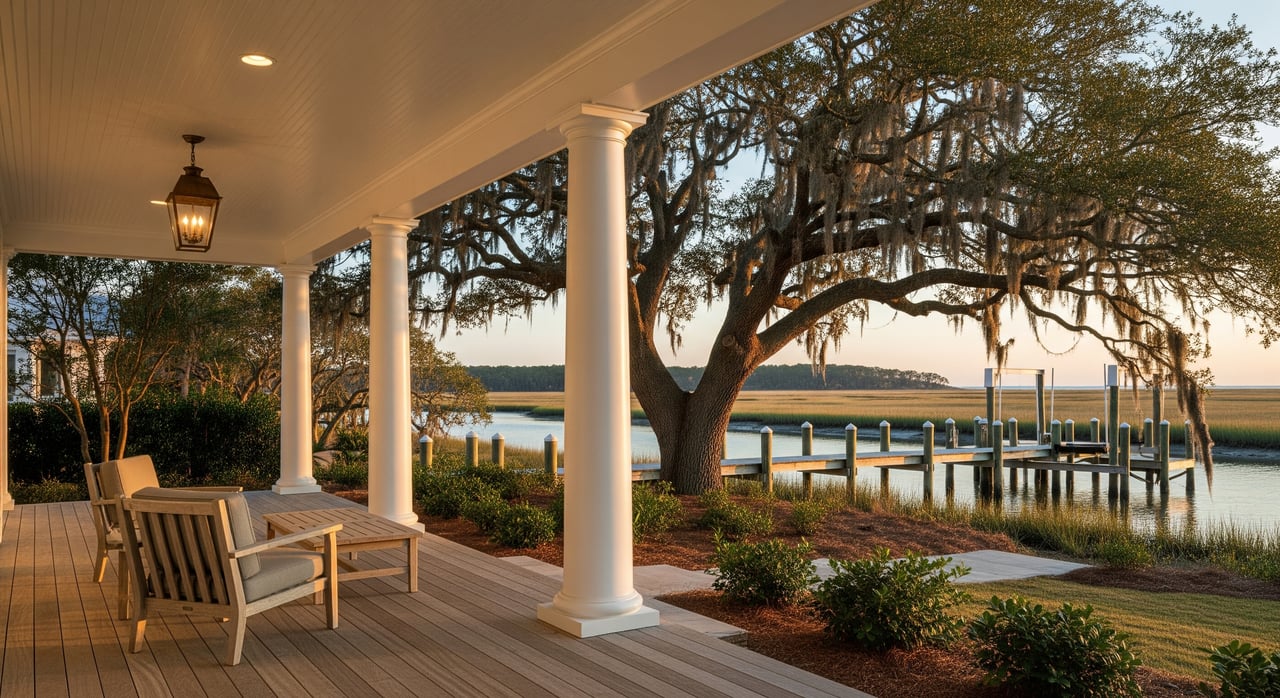
You want the coast without giving up your Atlanta life. For many buyers, St. Simons and Sea Island deliver that balance: a relaxed pace, refined amenities, and a realistic weekend commute. If you are weighing a primary move, a second home, or a smart vacation rental, you are not alone.
In this guide, you will see how Atlantans actually use these homes, what day-to-day ownership looks like, and how the two islands differ. You will also get practical tips on financing, insurance, rentals, and remote management. Let’s dive in.
Why Atlantans choose the Golden Isles
Atlanta buyers come for lifestyle and access. You get beaches, boating, golf, and a low-key coastal rhythm without flying across the country. Remote and hybrid work have opened the door for longer stays and flexible travel.
Quality of life leads the list. You can swim, fish, or tee off in the morning, then enjoy dinner in the village or at a private club. Many owners use a second home for extended weekends and school breaks, then shift to longer stays in spring and late fall when the weather is mild.
You also diversify how and where you live. Some buyers split time between metro commitments and an island base. Others invest in a property that can host family today and serve future retirement plans.
Drive or fly from Atlanta
Most Atlantans drive to St. Simons or Sea Island. Plan for roughly 4 to 5 hours depending on route and traffic, and always confirm timing with a live map before you go. Weekend owners often arrive Friday afternoon and head back Sunday evening, so plan around peak travel windows.
If you fly, nearby options include Brunswick Golden Isles Airport for regional service, Savannah/Hilton Head International Airport as a larger hub, and Jacksonville International Airport to the south. Many travelers fly into Savannah or Jacksonville and drive the last leg. A car is helpful once you are on the island, since public transit is limited.
Seasonality: when the islands shine
Summer draws families, beachgoers, and vacation renters. Winter and the shoulder seasons attract longer-stay owners and snowbird visitors seeking mild weather. Sea Island’s luxury demand also runs strong in spring and early autumn.
Late fall and periods within hurricane season can be quieter. If you prefer less crowded beaches and restaurants, those windows can be ideal. For rental-minded owners, peak months command the highest occupancy, and one to two week stays are common.
St. Simons vs. Sea Island: how they differ
Both islands are special, but the experience is distinct. Here is how to think about fit.
St. Simons Island (31522)
You will find a mix of single-family homes, cottages, townhomes, and condos, with options near the historic village and quieter residential pockets inland. The pier and village area are walkable, with shops and restaurants. Many buyers value the everyday convenience and neighborhood variety.
Tradeoffs to consider include maintenance and management if you are not full-time. Short-term rental rules vary by neighborhood or HOA, so confirm what is allowed before you buy. Inland locations can offer more accessible price points relative to beachfront or marsh-front properties.
Sea Island
Sea Island is an ultra-luxury, private-club environment with resort amenities, private beaches, and a security-forward setting. Properties range from high-end estates to condos with access to club offerings. Concierge-style services can simplify ownership, from housekeeping to on-site dining and recreation.
Expect premium pricing and more restrictive rental policies. Some communities limit or prohibit short-term rentals, so align your purchase with your intended use from the start.
Financing a second home or investment
Second homes are often underwritten differently than primary residences. Down payment requirements, interest rates, and qualification standards can vary. If your plan includes any rental income, your lender may treat the property as an investment with a different structure.
Ask about remote closings, rate locks across seasons, and timing appraisal and inspection windows with your travel schedule. Cash purchases are common in luxury markets, but not required. Your strategy should match your financial plan and how you intend to use the home.
Insurance and coastal risk basics
Barrier-island ownership comes with unique insurance needs. Many owners carry separate windstorm coverage and flood insurance in addition to standard homeowners policies. Premiums can depend on elevation, building design, and wind mitigation features.
Request a flood zone determination early and review elevation certificates if available. Coastal inspectors and engineers can advise on pilings, roof systems, salt-air corrosion, and storm resilience. A local insurance broker who understands island underwriting is essential.
Renting your home: rules and reality
Short-term rentals can offset ownership costs, but rules vary. Review Glynn County ordinances, licensing and tax requirements, and any HOA or neighborhood restrictions before you make plans. Sea Island and certain gated communities often restrict or prohibit short-term rentals.
If renting is part of your strategy, confirm occupancy limits, parking requirements, and any safety or inspection standards. Build realistic projections around peak, shoulder, and off-season demand.
Remote ownership made simple
A reliable local team is the backbone of stress-free ownership. Most remote owners use property managers who coordinate cleaning, landscaping, pool service, pest control, and emergency response. Seasonal services often include hurricane preparation and post-storm checks.
Technology helps. Remote monitoring for HVAC and security, plus pre-arrival provisioning, can make weekend trips easy. Clear service agreements and reserved vendor relationships protect your calendar during busy months.
Quick setup checklist
- Choose a coastal-specialized home inspector and review wind and flood factors.
- Get quotes for homeowners, windstorm, and flood insurance early.
- Confirm county, city, and HOA rules if you plan to rent.
- Interview property managers and outline service tiers and response times.
- Plan a hurricane protocol: shutters, checklists, and point of contact.
- Set up utilities, Wi-Fi, and remote thermostats before your first extended stay.
Taxes and planning
Glynn County property taxes, millage rates, and exemptions are set locally. Homestead exemptions typically apply only to primary residences. If you earn rental income, plan for reporting requirements and applicable lodging or sales taxes.
A CPA familiar with Georgia property taxation can help you navigate state income tax considerations and multi-state filings if needed. Build a simple records system to track rental income, maintenance, and improvement costs for year-end reporting.
How a dual-market broker bridges Atlanta and the islands
Balancing life between Atlanta and the coast requires clear expectations and efficient coordination. A broker who works both markets can translate your Atlanta budget and lifestyle goals into realistic St. Simons and Sea Island options.
What you should expect:
- Itinerary-first planning for weekend tours, with virtual tours when you cannot travel.
- Seasonally informed pricing guidance and negotiation support.
- Vendor introductions for lenders, inspectors, insurance brokers, and managers who understand coastal specifics.
- Straightforward review of local disclosures, floodplain considerations, HOA or club rules, and rental policies.
- Post-closing support: utilities setup, vendor handoffs, and a plan for your first season.
Next steps
If you are ready to compare neighborhoods, refine your budget, or map out a rental strategy, connect with a senior-led team that knows both Atlanta and the Golden Isles. Reach out to Pitts Wilson to schedule a free consultation and design a plan that fits your timeline and lifestyle.
FAQs
Drive time from Atlanta to St. Simons or Sea Island
- Most owners plan for roughly 4 to 5 hours by car, depending on route and traffic, and confirm timing with a live map before departure.
Flight options near St. Simons and Sea Island
- Regional flights serve Brunswick Golden Isles Airport, while Savannah/Hilton Head and Jacksonville offer broader schedules, with a short drive to the islands.
Flood insurance requirements in Glynn County
- Lenders commonly require flood insurance in FEMA flood zones, and premiums depend on elevation and mitigation features; a broker and insurance agent can guide specifics.
Short-term rental rules on St. Simons and Sea Island
- Rules vary by county ordinances and HOA or club policies; Sea Island and some gated communities often restrict or prohibit short-term rentals.
Managing a second home remotely on the islands
- Most remote owners hire local property managers for cleaning, maintenance, hurricane prep, and emergency response, supported by remote monitoring tools.
St. Simons versus Sea Island for everyday living
- St. Simons offers a broader mix of residential neighborhoods and a walkable village area, while Sea Island emphasizes privacy, luxury amenities, and private-club services.
